Pancreatic Cancer: Innovation and Hope in the Face of Growing Challenges

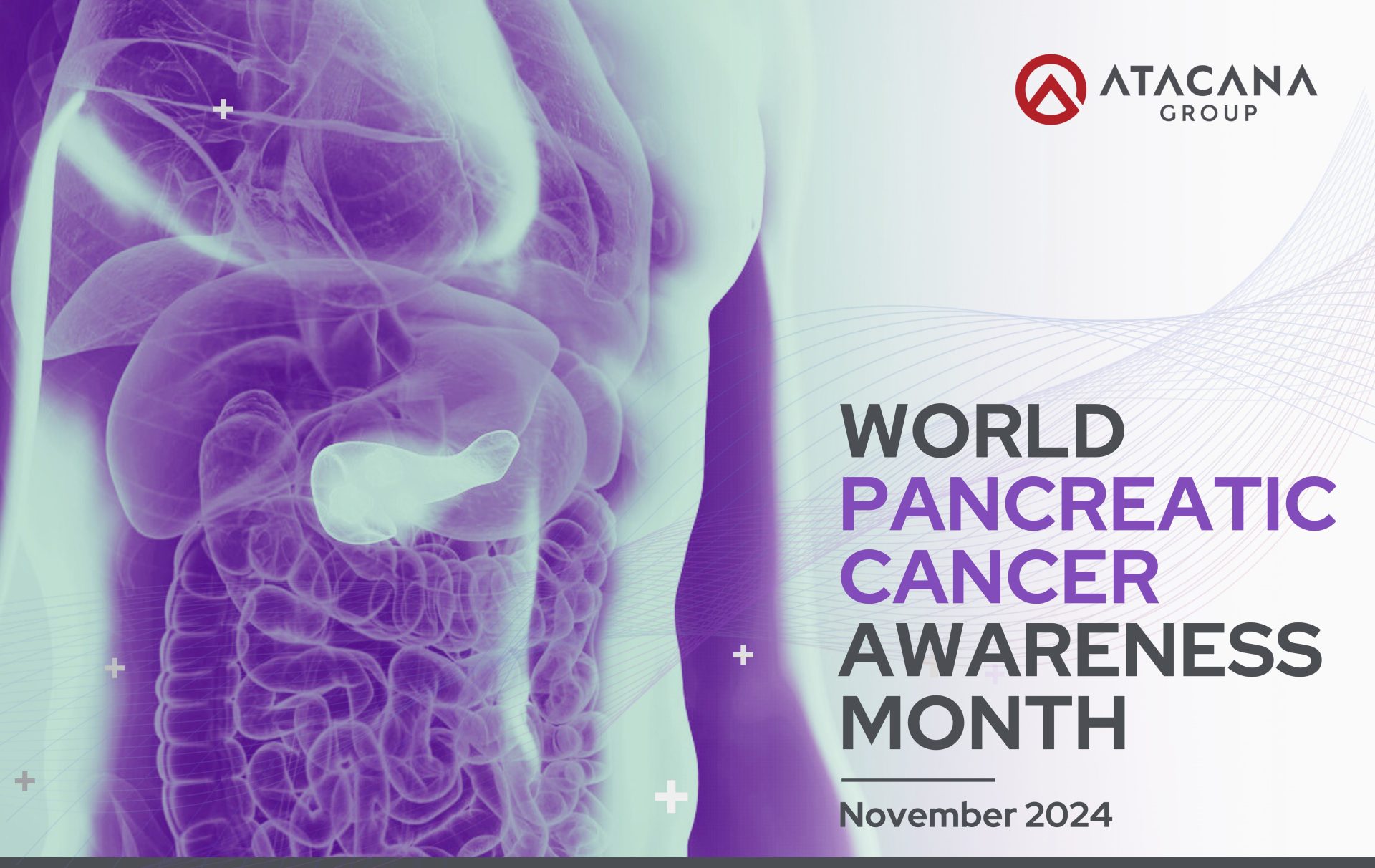
November marks Pancreatic Cancer Awareness Month, bringing crucial attention to one of the most challenging cancers to detect and treat. With a five-year survival rate of just 12.8%, pancreatic cancer remains among the deadliest forms of cancer in the U.S., emphasizing the urgent need for improved detection methods and treatment options.
Current Challenges
Pancreatic cancer remains one of oncology’s toughest challenges, often diagnosed too late due to subtle symptoms and its deep location, which complicates early detection. Screening tools like EUS and CT scans, while standard, rely on specialized expertise for accuracy. Treatment options are limited; surgery is viable only in early stages, and chemotherapy like FOLFIRINOX faces significant hurdles. However, advances in genetic insights are helping to personalize therapies, and ongoing trials continue to fuel hope for breakthroughs against this “silent killer.”
Treatment Innovation and Competition
The therapeutic landscape for pancreatic cancer is experiencing significant transformation, with major pharmaceutical companies investing heavily in novel approaches:
- AstraZeneca and Merck’s LYNPARZA® (olaparib) has shown promising results in BRCA-mutated metastatic pancreatic cancer, marking a significant advancement in targeted therapy
- Immunotherapy combinations are being actively pursued, with Bristol Myers Squibb, Amgen and Roche leading several clinical trials
- Novel approaches like CAR-T cell therapy targeting mesothelin, CD19, MUC1 are being investigated in early-phase clinical trials, and cancer vaccines are being investigated by companies including BioNTech and Moderna, leveraging their mRNA platform expertise
- Furthermore, various mechanisms of action are being investigated in Phase 3 clinical trials, including a KRAS G12C inhibitor (Amgen), CDK4/6 inhibitor (Eli Lilly), PD-L1 inhibitors (AstraZeneca, Roche, Incyte), and a multi-kinase inhibitor (Bayer)
Recent Breakthroughs
Several breakthrough developments are offering new hope:
- The identification of new biomarkers and Development of liquid biopsy tests for earlier detection
- Advanced imaging techniques enabling earlier diagnosis
- Promising results from clinical trials combining chemotherapy with targeted therapies
Healthcare Access and Disparities
Despite these advances, significant disparities exist in access to specialized care and novel treatments. Rural communities often face challenges in accessing specialized centers, while financial toxicity remains a major concern for many patients. The high cost of newer targeted therapies and immunotherapies can create additional barriers to access.
Future Directions
The future of pancreatic cancer treatment lies in:
- Personalized medicine approaches based on genetic profiling
- Novel drug delivery systems (Nanoparticle-based Delivery Systems, Liposome Formulations, Hydrogel Systems, Antibody-Drug Conjugates, and RNA-based Delivery Systems) to overcome the dense tumor microenvironment
- AI-powered diagnostic tools for earlier detection
- Combination therapy strategies targeting multiple pathways
Research efforts are increasingly focused on understanding the tumor microenvironment and developing more effective ways to deliver drugs to pancreatic tumors. This has led to a competitive landscape where pharmaceutical companies are racing to develop innovative solutions while also seeking strategic partnerships to enhance their capabilities.
Work with specialized consultancies like Atacana to gain the competitive intelligence and strategic insights needed to navigate this dynamic landscape and deliver innovative solutions to patients.
Ref:
https://www.nccn.org/patients/guidelines/content/PDF/pancreatic-patient.pdf
Related Insights & Outlooks


.avif)